
01207 655454 info@tillymintscherubs.co.uk Mon–Fri · 7.15am – 6.00pm
Tilly-Mints Day Nursery

Learning & EYFS

How your child learns at Tilly-Mints

A curriculum that grows with every child, shaped by the Early Years Foundation Stage and delivered through joyful, hands-on play.

Learning through play

Personal, social and emotional development is at the heart of all our teaching. Children engage in play activities that give access to every area of learning, often one experience develops competencies and skills across several areas at once.

We value outdoor play, and children move freely between indoor and outdoor environments. Through child- and adult-initiated play they learn pre-writing, reading and number skills, social skills and personal responsibility. Songs, stories and rhymes develop communication and aid concentration.

Our EYFS Curriculum Statement is available on request

A unique child

Every child is unique, capable and full of potential. Practitioners take time to know each child’s interests, personality and learning style.

Positive relationships

Secure, supportive relationships help children feel safe every step of the way.

Enabling environments

Stimulating indoor and outdoor spaces full of opportunity for discovery.

Our Curriculum and Intent

At Tilly-Mints Cherubs, our curriculum develops progressively as children move through the nursery. Each room has carefully chosen areas of focus that reflect the children's age, stage of development and individual needs. Through nurturing relationships, purposeful play and positive interactions, we help every child feel safe, secure and confident to learn.

Relationships · transitions · physical development · communication

Baby Room: Building Secure Foundations

A nurturing, responsive environment where every baby feels safe, secure and valued, learning through warm relationships and familiar routines.

Read more →

Our intent in the Baby Room is to provide a nurturing and responsive environment where every baby feels safe, secure and valued. We understand that babies learn best through warm relationships, familiar routines and sensitive interactions with trusted adults.

We support a positive transition into nursery through carefully planned settling-in visits, working closely with parents and carers to understand each baby’s individual routines, needs, interests and preferences. This strong partnership helps us provide consistency between home and nursery.

Communication and early language are encouraged through songs with actions, stories containing rhyme and repetition, and meaningful conversations throughout the day. Practitioners model positive language, behaviour and attitudes, responding warmly to babies’ sounds, gestures, facial expressions and early words.

Physical development is supported through encouragement, floor-based exploration and carefully selected equipment. Babies are given opportunities to reach, roll, crawl, pull themselves up, stand, cruise and walk when they are developmentally ready.

By building secure and positive relationships, we give babies the confidence to explore their environment, develop their independence and begin forming the foundations for future learning.

Self-regulation · language · transitions

2 to 3 Room: Developing Language and Self-Regulation

A language-rich environment that supports rapidly developing communication, helps children understand their emotions and prepares them for Preschool.

Read more →

Our intent in the 2 to 3 Room is to support children’s rapidly developing communication skills, help them begin to understand and regulate their emotions, and prepare them for a positive transition into the Preschool Room.

We continuously create a language-rich environment where practitioners model clear and appropriate language, encourage engagement and use open-ended questions to extend children’s thinking. Stories, songs, rhymes and actions are used throughout the day to develop vocabulary, listening, attention and confidence in communicating with others.

Children are supported to understand the room’s Golden Rules, familiar routines and age-appropriate expectations. Practitioners explain what will happen during the day and prepare children for changes, helping them feel safe, secure and able to take their next steps with confidence.

Transitions into the Preschool Room are carefully planned around each individual child. An “All About Me” form is completed to ensure that the new staff understand the child’s needs, interests, likes, dislikes and current stage of development. Children also take part in visits to their new room, allowing them to become familiar with the environment, practitioners and routines before they move.

Through consistent support, positive relationships and clear guidance, children begin to develop the language and emotional skills they need to express themselves, make choices and participate confidently in nursery life.

School readiness · managing change · regulating emotions

Preschool Room: Preparing for School and Beyond

Building the independence, confidence, emotional awareness and social skills children need for a successful transition to school.

Read more →

Our intent in the Preschool Room is to equip children with the independence, confidence, emotional awareness and social skills they need for a successful transition to school and the next stage of their learning.

Independence is promoted through meaningful everyday experiences. Children are encouraged to hang their own coats on their pegs, practise putting their coats on and taking them off, care for their belongings and take increasing responsibility within the room.

At mealtimes, children are given opportunities to serve themselves and share food placed on the table. This develops independence, coordination, confidence, turn-taking and an understanding of making appropriate choices.

Children are encouraged to contribute to their learning environment by choosing activities and resources for the play tables. Practitioners follow children’s interests while also providing purposeful experiences that introduce new ideas, build knowledge and extend learning.

We talk openly about feelings, helping children identify and name different emotions, understand what may cause them and learn positive ways to express and manage how they feel. Through supportive relationships, group experiences and play, children develop the core skills needed to form friendships, cooperate with others and adapt their behaviour in different social situations.

Songs, stories and conversations remain an important part of our curriculum. Practitioners act as positive role models, use encouraging language and ask open-ended questions that help children think, explain their ideas, solve problems and become confident communicators.

A curriculum that grows with every child

These areas of learning are not limited to one room. Relationships, communication, physical development, emotional regulation, independence and preparation for change are supported continuously throughout every child's time at Tilly-Mints Cherubs.

Our practitioners observe and respond to each child's development, interests and individual needs. We regularly reflect on our environments, resources and teaching approaches, identifying ways to enhance and improve our provision so that every child can feel secure, make progress and develop a positive foundation for lifelong learning.

Prime areas, building the foundations

These areas are the cornerstones of early development and support children in all other areas of learning.

1

Communication and Language

Read more →

We encourage children to listen carefully, share their thoughts and express themselves confidently through conversations, songs and stories.

Outcome: Confident communicators who listen, understand and use language effectively.

2

Physical Development

Read more →

From outdoor adventures to fine motor play, we help children strengthen coordination, balance and physical confidence.

Outcome: Control and movement, plus healthy choices about exercise, eating and self-care.

3

Personal, Social & Emotional

Read more →

We nurture confidence, independence and a sense of belonging through positive relationships and gentle guidance.

Outcome: Happy, resilient learners who play cooperatively and show empathy.

Specific areas, building on the foundations

Once the prime areas are well developed, children naturally grow into more specific areas of learning that prepare them for school and beyond.

4

Literacy

Read more →

We introduce the magic of books, stories and early writing through fun, play-based experiences that spark imagination.

Outcome: Children link sounds to letters, recognise words and begin early reading and writing.

5

Mathematics

Read more →

Everyday play, counting songs and problem-solving games help children explore numbers, shapes, patterns and measures.

Outcome: Confidence using numbers and mathematical ideas in daily life.

6

Understanding the World

Read more →

We encourage curiosity about nature, different cultures and technology, helping children make sense of their environment and community.

Outcome: Awareness of the world with curiosity, respect and understanding.

7

Expressive Arts and Design

Read more →

Creativity is celebrated! Children express themselves through art, music, dance, role play and imaginative activities.

Outcome: Children explore materials and media, confidently sharing thoughts, ideas and feelings.

SEN & Inclusion

We are accessible and welcoming to all, and believe every child has the right to the support and opportunities they need to develop and learn. Our provision reflects and celebrates the diversity within our community, actively promoting and respecting the value of each child and family.

Our SEN co-ordinator ensures the SEN code of practice is implemented, supporting colleagues and working closely with key workers and families to co-ordinate provision around each child's needs.

Questions about inclusion? Contact us
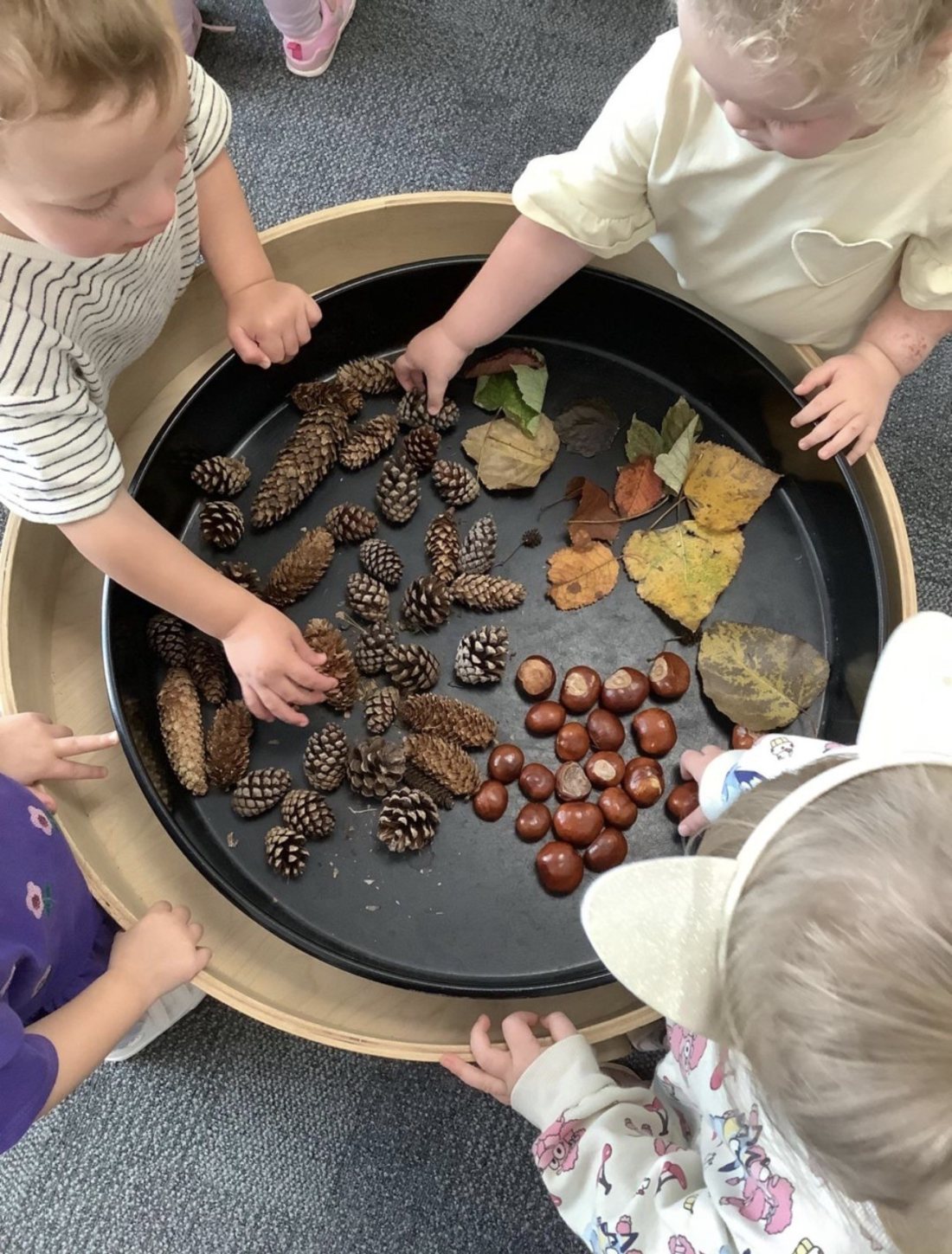
Our outdoor play area, open to every child